



From finding the numbers to making the decision
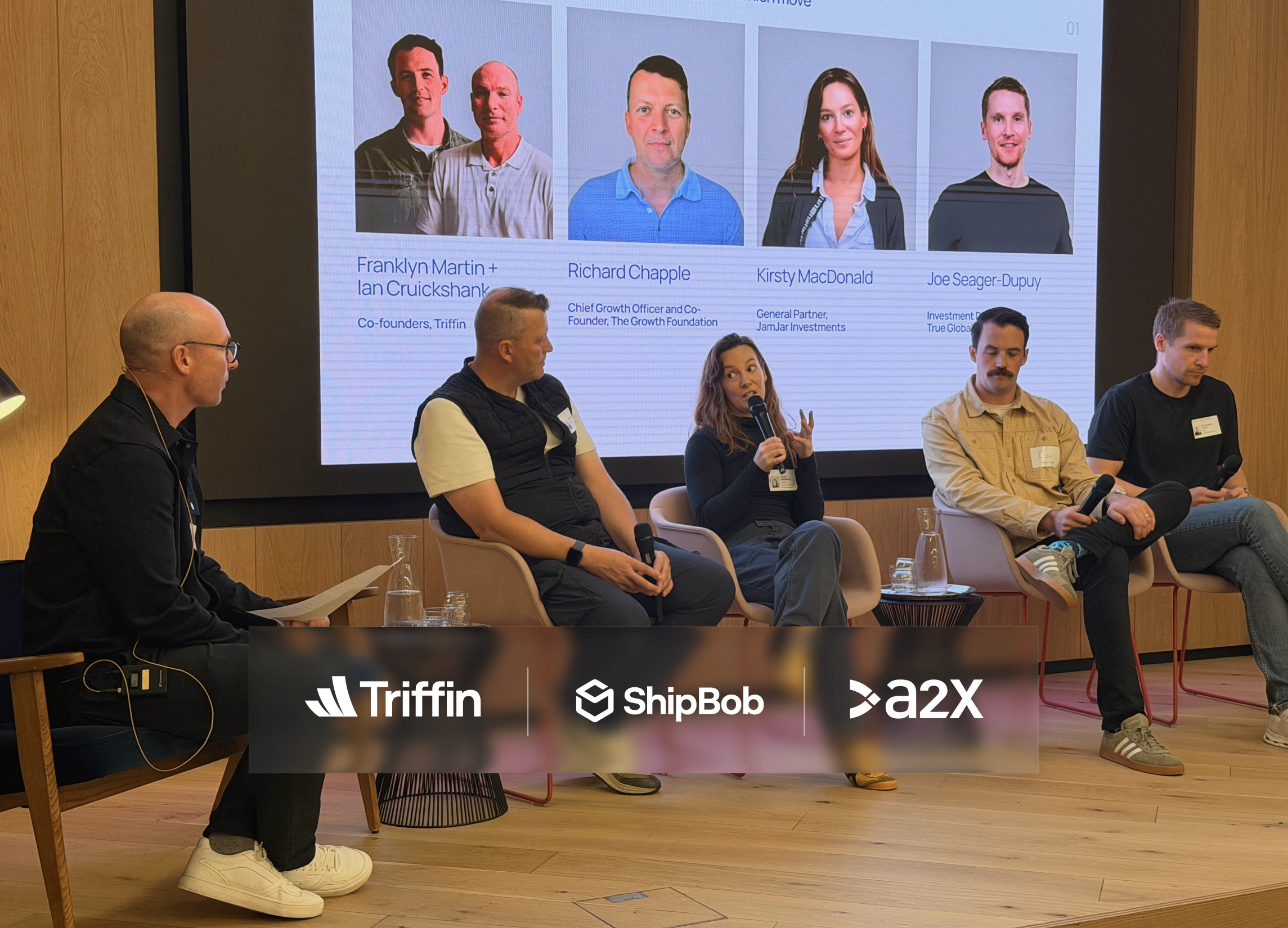
On 4 November, our CEO Franklyn Martin joined Fatima Salhab FCCA, fractional CFO at Ascendant, and Luke Evans, co-founder of SunGod, at Dreamland to discuss how growing consumer brands can free up cash and make better decisions.
The conversation exposed a familiar problem. Businesses need answers about stock, margins and cash quickly enough to act, but getting those answers still takes too much work.
Information sits across accounting software, sales channels, inventory systems and bank accounts. Finance teams pull it together, reconcile the differences and explain what it means. By then, the decision may already be urgent.
Fatima described the point at which better systems become essential:
“It's when you're not getting answers to questions that you need answers to yesterday.”
An AI-first approach starts with the questions people actually need answered:
- Can we afford the next stock order while keeping enough cash for payroll?
- Which supplier payments are due, and what will paying them do to our cash position?
- Which products generate healthy margins but tie up cash for too long?
- Would using working capital finance leave us better placed to grow?
The ambition is to make these questions part of everyday work, with the information and financial tools needed to follow through.
AI needs a connected financial foundation
A useful answer depends on more than a capable AI model.
Consider a founder asking whether the business can afford a new inventory order. The answer needs to account for cash balances, outstanding bills, supplier terms, expected receipts and existing commitments. If funding is an option, its cost and repayment schedule also matter.
Incomplete information can produce a convincing answer that misses a critical obligation.
That makes the foundations of finance more valuable as businesses adopt AI. Accurate records, consistent product data and connected systems give AI the context it needs.
Our view at Triffin, is that businesses will increasingly manage these decisions through AI systems such as Claude, ChatGPT and other LLMs. Founders and finance teams will ask questions, explore options and initiate tasks through a conversation.
That changes what businesses should expect from their finance stack.
Fatima’s practical advice at Dreamland applies directly: understand your products, channels and margins, and keep the underlying data in order.
The same is true of Luke’s ambition for teams to find information themselves. An AI interface can make financial information more accessible, provided everyone is working from a dependable picture of the business.
The real value comes when insight leads to action
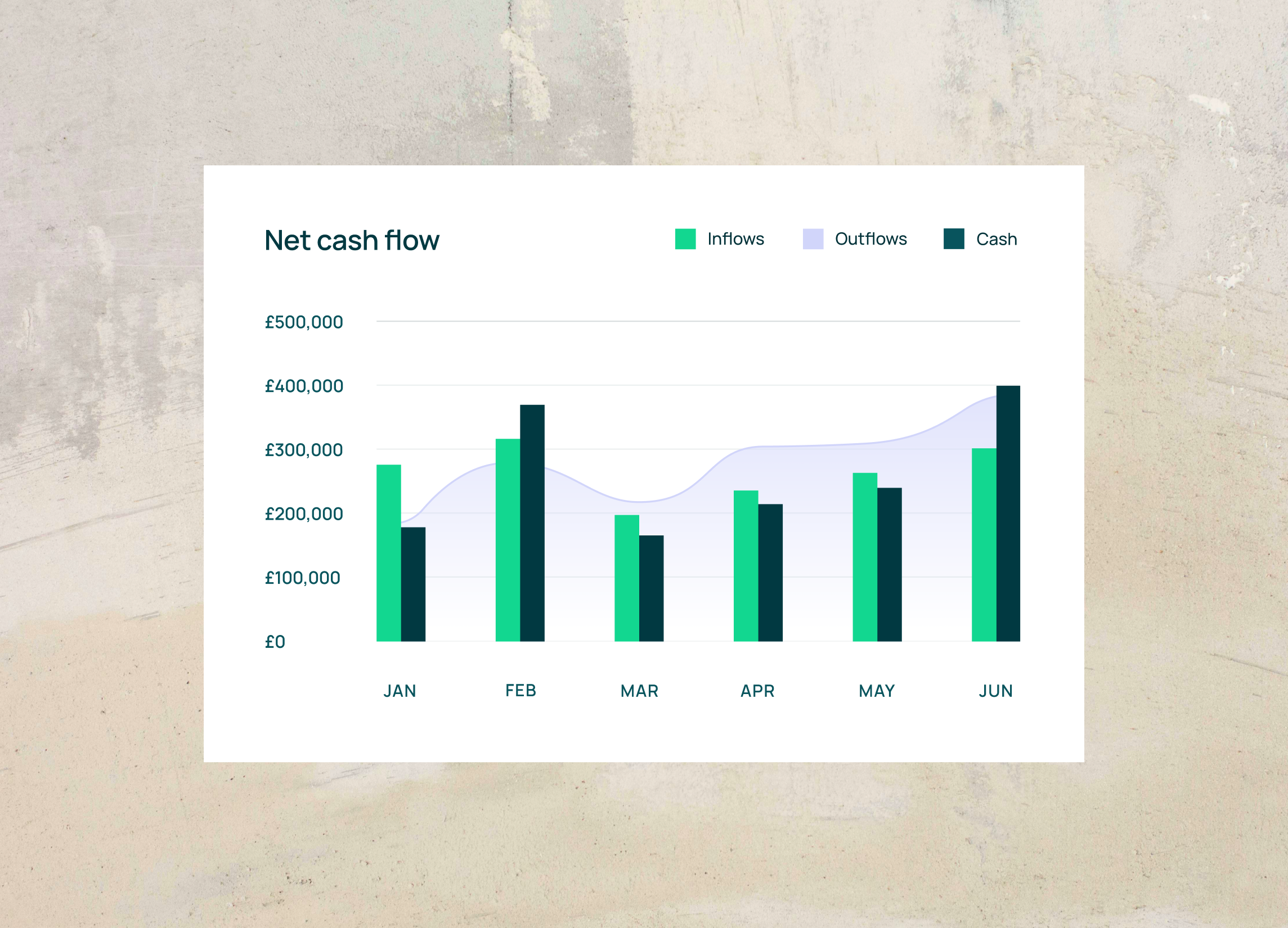
Knowing that cash will be tight in six weeks is useful. Having time and options to address it is more valuable.
For a growing brand, that might mean changing an order, adjusting a payment schedule or using finance to bridge the gap between paying a supplier and collecting from customers.
Luke put the constraint clearly:
“In most growing businesses, cash conversion will be your biggest limiting factor to growth.”
AI does not remove that constraint. A business still needs to pay for stock, manage supplier relationships and collect cash. What an AI-first finance stack should do is help the team understand those trade-offs earlier and carry out the chosen action with less manual work.
Take a brand with a three-month production lead time followed by two months of sell-through. Its growth decisions depend on when supplier payments fall due, when sales turn into cash and how any borrowing will be repaid.
Funding belongs in that decision alongside payments and cash flow. Evaluating each separately makes it harder to see the full effect on the business.
Where Triffin fits
Triffin brings funding, payments and cash flow management together in one AI business account.
That combination matters because these activities are connected in practice. Paying a supplier changes the cash forecast. Financing an order creates a future repayment. Receiving a customer payment changes what the business can do next.
Triffin connects those workflows. Businesses can manage bills and purchase orders alongside payment schedules and cash flow, with integrations into accounting and inventory systems. Bringing these records together reduces the work required to keep financial commitments aligned.
AI can then help with the work around those decisions. For example, Triffin’s Pay Run Agent creates draft pay runs using cash flow and supplier intelligence, giving teams a prepared starting point to review.
For businesses paying suppliers abroad, currency conversion is part of the same picture. Check what FX fees are adding to your supplier payments with our FX fees calculator. Furthermore, capital sits in a similar spot. Triffin Credit lets eligible businesses fund purchase orders, bills and invoices, with repayment options selected for each drawdown. That gives teams another option when the timing of supplier payments and customer receipts creates a cash gap.
As AI becomes a primary interface for running a business, the financial systems underneath it will matter more. They need to connect reliable information, financial capability and clear controls.
Triffin’s role is to provide that connected foundation for business finance.
Build trust through everyday work
Luke offered a useful way to approach adoption:
“You've got to view AI as a new employee that you're onboarding onto your team.”
Start with a defined task. Check the result. Give it more responsibility as confidence grows.
For finance teams, preparing a draft pay run or matching transactions can be a practical starting point. Teams can review the work, handle exceptions and retain approval over commitments.
An AI-first approach should make responsibility clear: what the system can prepare, what requires approval and how an action is recorded.
That is how businesses can gain speed while keeping control of their money.
Prepare your finance stack for how you will work next
We believe AI will become a normal way for businesses of every size to run their operations.
The finance teams best placed to benefit will have reliable data, connected workflows and access to the financial tools needed to act on a decision.
For growing businesses, that means being able to move from “Can we afford this?” to an informed choice about how to fund it, when to pay and what it means for cash.
That is the AI-first finance stack Triffin is building towards.
Explore Triffin’s AI business account and bring funding, payments and cash flow management together.
Funding is subject to eligibility, credit checks, approval, underwriting and lending criteria. Capital provided by Triffin Capital Limited.