



On 7 October, we co-hosted a finance leaders lunch in London with ShipBob and A2X. The speakers included our co-founder and CFO, two investors, a former Gymshark CMO, ShipBob's Head of Sales for EMEA and an independent supply chain consultant. If you are planning to expand into a new market in the coming year, here are the five lessons we took away.
Plan for a new market to be paid for upfront
A new market sounds like a sales plan. For a finance team, though, it is a funding plan, and our co-founder and CFO, Ian Cruickshank, set out why.
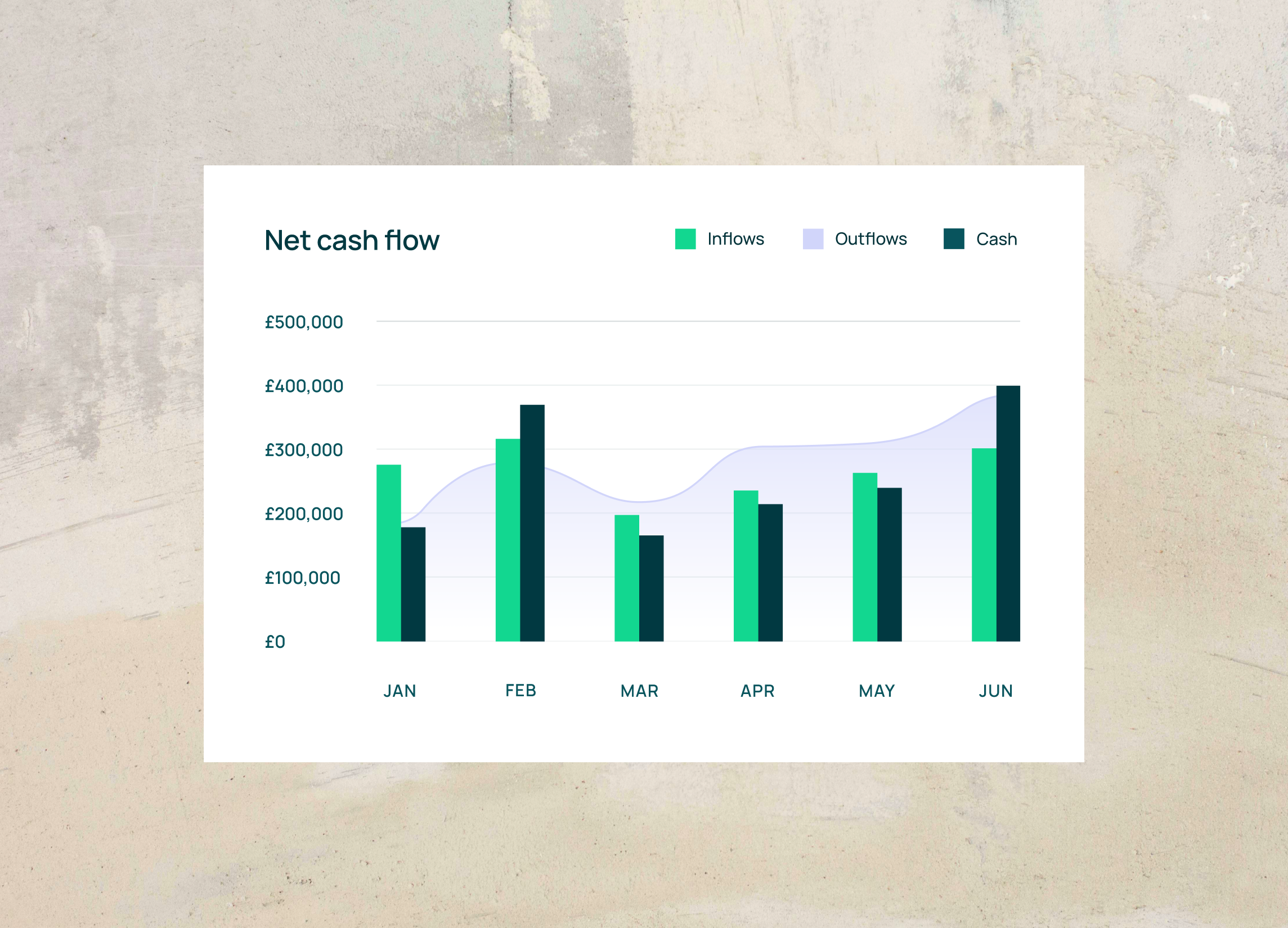
- Expect everything to be paid upfront: in a new market you have very little supplier credit or other help to draw on. Ian's advice was to look at any expansion as a potential 100% loss upfront, and to be sure you can float the cash outside the cycle you are used to.
- Count the container, then the launch: landing a container can cost tens of thousands, paid a few months before it sells. On top of that comes a significant marketing outlay to announce yourself in a new market.
- Expect stock to turn more slowly:
Stock that typically takes 30 to 60 days to turn at home can take 120 days to half a year somewhere new. The gap before the money comes back is longer than you are used to.
- Plan the exit as well as the entry: leaving a market costs money too, with goods stranded somewhere you will probably want back.
- Line up funding before you need it: because the money goes out before it comes back, it helps to have funding you can draw on as each order needs it. Triffin Credit, for example, is a revolving credit facility: you draw down against purchase orders, bills or invoices as you need to, and choose a repayment type and term for each drawdown.
Know you are ready, and what the money is for
The advisers and investors on the funding panel kept returning to one idea: get clear before you commit capital.
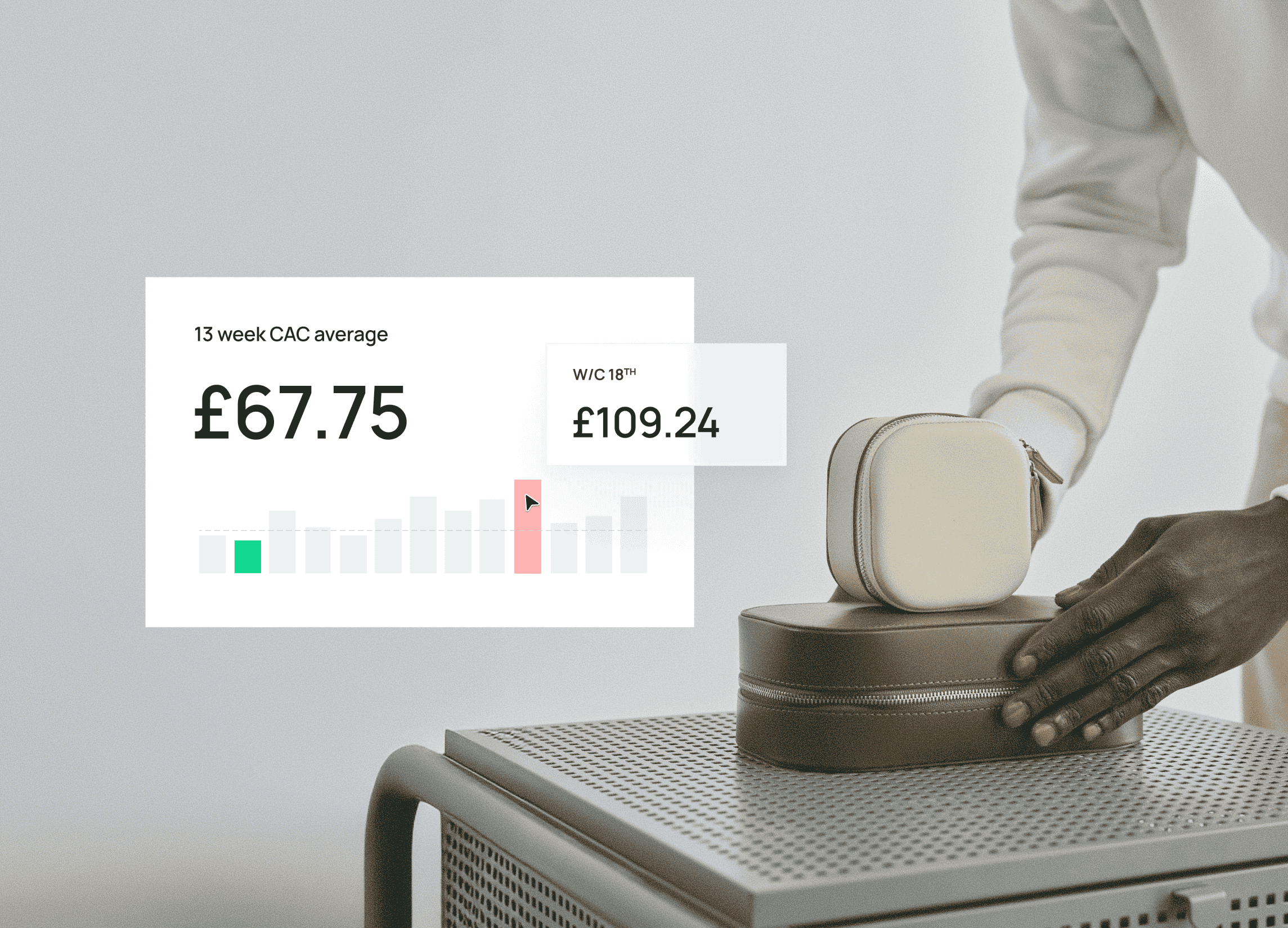
- Start with unit economics: Richard Chapple of The Growth Foundation, a former CMO at Gymshark, said to focus on acquisition cost and lifetime value, so any investor conversation later is a strong one. He also advised designing your ways of working so expansion does not swallow leadership time.
- Check you have earned the right to expand: you need clarity on your audience, confidence in your hero product, and customers who are profitable or close to it early on. Then check that your audience is sizeable enough, and suited to the new market.
- Do less, better: it is tempting to try to do all of it at once. "Doing less better" is the statement to put at the top of your board.
- Be clear what the money is for: some costs suit equity and others suit working capital or debt. Once stock lands, it is on your balance sheet and gives you a deadline to turn it back into money. Use the demand signals you already have to decide whether funding goes on stock or on marketing.
- Think about the eventual buyer:
JamJar is a £100m fund looking for exits of £250m+, typically £250m to £500m in consumer products, with a realistic path to 10x, which usually means international.
Strategic acquirers want international and multi-channel brands. In beauty and personal care, she said, they increasingly want at least 20% of revenue from the US and at least around 20% from retail.
Test the market before you stock it
Jerod Jones, Head of Sales EMEA at ShipBob, spoke about when holding stock in a market starts to make sense.
- Start with duties-paid shipping: ship duties-paid first to see how the market reacts before you put capital into inventory there. In the US, treat it as a way of gathering data. For markets you will never localise, keep it on.
- Expect a quick lift from local stock: delivering from inside the market improves your conversion rates straight away, and it is probably the biggest single factor in how well you convert.
- Know when bulk imports pay off: at a certain size you can import on the manufactured value of the whole shipment rather than the retail value of individual parcels. Sometimes that difference in the tariff pays for your actual expansion in itself.
- Count returns and delivery speed: cross-border returns are a pain, with long lead times and the possibility of reverse tariffs. Local stock gives next-day or two-day delivery and a cleaner checkout.
Sort tax and systems before you pick a 3PL
Guy Meisl, an independent supply chain consultant who has built global supply chains and runs 3PL tenders for the US and Canada, was asked what changes when leadership says "we're going global".
- Start with compliance, especially tax: it is the easiest thing for brands to trip over. What you pay, to whom and when depends on where your warehouse is and where you ship to. In the US, tax applies at state level and at city level.
- Then get your systems right: orders need to flow from Shopify or Amazon through your systems to the 3PL, with the right information and the right invoice on them.
- Only then choose the 3PL: once tax and systems are in place, a good 3PL can help you from there. They do not want shipments sent back any more than you do.
Learn from the people in the market
The last lesson is the one that costs the least, and the one brands skip most often.
- Go in properly: Joe Seager-Dupuy of True Global said UK and European brands often fail in the US by dipping a toe in rather than going in properly.
The US consumer is different, the market is insanely competitive and it moves at a different pace.
- Question every assumption: go back to first principles and validate your hypotheses before you spend money, and talk to lots of people in the market locally so you avoid the mistakes others have made.
- Check the small details before you print: product names, packaging copy and labels can mean something different in another market. In the UK, a pasty is lunch. In the US, it is something you would rather not have printed on your packaging. Check what each word means in the market, and what you are required to put on the pack, before anything goes to print.
Bottom line: a new market rewards the brands that treat it as a funding and planning decision as well as a sales one. Expect the costs to land first, test demand before you stock, sort tax and systems before you choose a 3PL, be clear what the money is for, and learn from the people already selling there. Plan for the gap between paying and getting paid, and you give the move a much better chance.
Thinking about expanding into a new market or interested in funding?
Speak to one of our finance experts. Get in touch